
Culture & Community
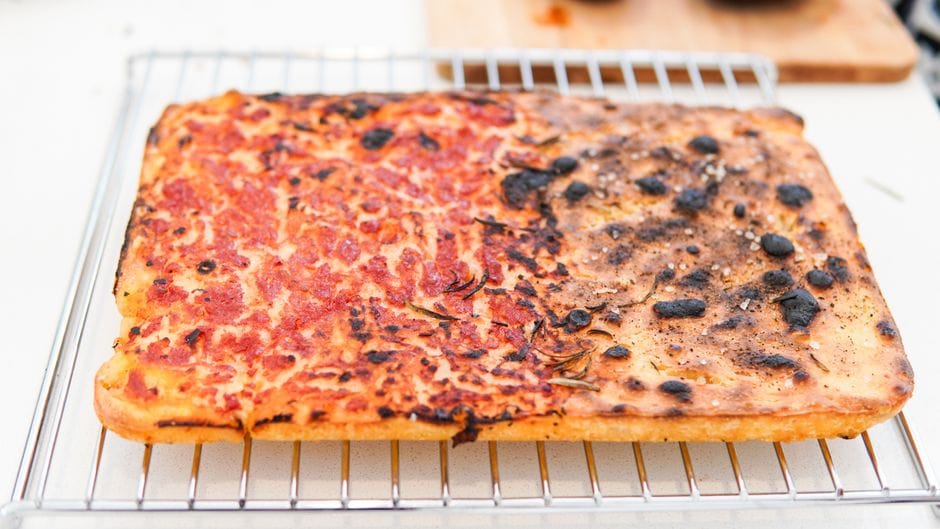
There is something quietly radical about a loaf of bread. It asks nothing of you except time, a warm kitchen, and a little patience. When that loaf also happens to be a golden, herb-flecked focaccia — stuffed with sun-dried tomatoes and cheese, finished with rosemary and coarse sea salt, and made with cannabis-infused olive oil — it becomes something else entirely: an invitation to slow down, to share, and to approach cannabis consumption in a way that is social, considered, and genuinely pleasurable.
Cannabis edibles occupy a particular space in harm-reduction conversations. Eaten rather than inhaled, they eliminate the respiratory concerns associated with smoking and offer a more discreet, sociable format. But they also demand more care. Absorption through the digestive system is slower and more variable than inhalation, meaning onset can take anywhere from 30 minutes to two hours depending on metabolism, body weight, and whether you have eaten recently. The practical upshot: dose conservatively, especially when cooking for others.
The Role of Cannabis Olive Oil
The ingredient doing the work here is cannabis-infused olive oil — an increasingly available product in regulated markets, and one that Mediterranean cuisines are particularly well suited to accommodate. Olive oil is already central to focaccia, both worked into the dough and brushed liberally over the surface before baking. Substituting a portion of that oil with an infused version integrates cannabis into a dish that already celebrates fat as a flavour vehicle.
This matters for a biochemical reason: THC and other cannabinoids are fat-soluble, meaning they bind to lipids rather than water. Olive oil is an efficient carrier, which is part of why cannabis olive oil has become a staple in culinary cannabis circles. A good-quality extra-virgin variety also contributes its own flavour complexity — grassy, slightly peppery — that pairs well with rosemary and sea salt.
For home preparation, cannabis-infused olive oil can be made by gently heating decarboxylated cannabis flower (or trim) in olive oil at a low temperature for several hours, then straining. Decarboxylation — the process of applying heat to convert the non-intoxicating THCA in raw cannabis into active THC — is essential; unheated cannabis in a recipe will not produce the expected effect. Infused oils are also available commercially in some regulated markets, with THC content per millilitre clearly labelled, which makes dosing considerably more straightforward.
The Recipe: Sun-Dried Tomato and Cheese Focaccia
This focaccia is unfussy by design. Begin by rehydrating a generous handful of sun-dried tomatoes in boiling water, then drain, chop, and set aside. In a large bowl, combine plain flour with a well in the centre; add active yeast dissolved in a small amount of warm water. Pour fine salt and your cannabis-infused olive oil around the edges of the flour — not directly onto the yeast, which salt can inhibit. Add warm water gradually, mixing until a cohesive but still slightly tacky dough forms. It should be soft and workable, not stiff.
Allow the dough to prove until roughly doubled in size, then divide it. Press half into oiled individual tins or a single large oiled baking tray. Layer the sun-dried tomatoes and a mild melting cheese — a young pecorino or a simple fior di latte work well — across the surface, then cover with the remaining dough. Use your fingertips to dimple the surface in the classic focaccia style, brush generously with plain (or lightly infused) olive oil, scatter fresh rosemary leaves and coarse sea salt across the top, and leave to prove once more until the dough has puffed and risen.
Bake at a moderate heat — around 180°C — for between 40 minutes and one hour depending on whether you have made individual portions or a single large piece. The focaccia is ready when it is golden both on top and, if you ease it out of the tin, on the bottom. The inside should be soft and pillowy, with pockets of melted cheese and concentrated tomato.
A Note on Dosing and Disclosure
When preparing cannabis-infused food for others, transparency is not optional — it is a fundamental harm-reduction principle. Anyone eating the focaccia should know it contains an active ingredient, understand the approximate dose per portion, and be aware that effects will be delayed compared to inhalation. A good rule of thumb for shared bakes is to keep the total THC content of the dish modest — many harm-reduction practitioners suggest aiming for no more than 5–10mg of THC per portion for mixed or inexperienced groups — and to have plain food available alongside.
It is also worth noting that heat during baking does degrade cannabinoids to some degree, particularly at higher temperatures. Keeping oven temperatures moderate, as this recipe does, helps preserve more of the active compounds in the oil. For the most predictable results, use commercially produced infused oil with a known concentration rather than home-made preparations, where potency can vary.
Cannabis-infused cooking at its best is about integration rather than novelty: a dish that would be worth making regardless, where cannabis plays a considered supporting role rather than being the point. This focaccia — warm from the oven, fragrant with rosemary, generous with cheese — is exactly that kind of dish. Make it for people you trust, tell them what is in it, and let the afternoon unfold at its own pace.
Sources:
Revista THC, “Cocina Cannábica: Focaccia Especial” — https://revistathc.com/cocina-cannabica-focaccia-especial/
Featured image: Photo by Anna Guerrero on Pexels
Members Discussion