Industry & Intelligence
The hemp industry has a volume problem. Years of optimistic expansion — driven in large part by the post-2018 boom in CBD demand — left producers with more biomass than the cannabinoid market could absorb. According to United States Department of Agriculture (USDA) data, US floral hemp production reached 33.2 million pounds in 2025, a 60% increase on the previous year. But demand for cannabinoid-rich flower and biomass has not kept pace. The result is a structural surplus that is reshaping how the industry thinks about its byproducts.
One answer being taken increasingly seriously by researchers, processors, and regulators alike is animal feed. The logic is straightforward: hemp processing generates large volumes of hempseed meal, hempseed cake, spent biomass, and leaf material. Much of this currently ends up composted or landfilled. If even a portion could be redirected into livestock nutrition, it would create a secondary revenue stream for processors while reducing waste — a compelling economic proposition for an industry under margin pressure.
The Nutritional Case Is Solid
The science supporting hemp as an animal feed ingredient is more robust than its regulatory status currently reflects. Hempseed cake — the compressed solid remaining after oil extraction — contains approximately 34% crude protein and around 12.7% residual lipids, with a favorable omega-3 fatty acid profile. Peer-reviewed research has shown it offers better rumen bypass protein than rapeseed meal, making it a candidate for protected protein supplementation in high-producing dairy cows.
Trials in lactating dairy cows found that diets incorporating up to 143 grams of hempseed cake per kilogram of dry matter increased energy-corrected milk yield. A study from the University of Manitoba found that hemp meal could substitute canola meal at up to 10.2% of diet dry matter with no measurable negative effects on feed intake, rumen fermentation, digestibility, or blood metabolites — leading the researchers to describe it as a "high-quality and safe protein supplement."
Hemp leaf, a secondary fraction from processing, carries roughly 13% crude protein and high fiber content, making it nutritionally appropriate for ruminants, though lower in value than seed-derived fractions.
The Cannabinoid Transfer Question
The more complex issue — and the one that has slowed regulatory progress most — is cannabinoid transfer into animal products. A 2022 study published in Nature Food found measurable THC, CBD, and related cannabinoids in the milk of dairy cows fed hemp silage, with worst-case estimates suggesting THC intake from that milk could approach or exceed conservative acute reference doses for humans. That finding prompted legitimate caution.
More recent work, however, points toward a workable solution: defined withdrawal periods. Researchers at Oregon State University fed nine Jersey cows a diet containing 13% spent hemp biomass for 28 days. THC did appear in milk during the feeding period, though transfer rates were low — less than 1% of ingested cannabinoids reached the milk. Critically, THC became undetectable approximately 12 days after the biomass was removed. The research team concluded that a two-week withdrawal window would effectively eliminate consumer risk. A parallel beef trial found cannabinoids concentrated in adipose fat tissue but cleared from all tissues within 33 days of withdrawal, with only trace CBD remaining in fat.
The emerging scientific consensus is that hemp byproducts are likely safe for most ruminant species, provided that either low-cannabinoid seed fractions are used, or whole-plant materials are paired with clearly defined withdrawal protocols before slaughter or milking.
Regulation Moves, but Slowly
In 2025, the US regulatory picture began to shift in a meaningful way. The Association of American Feed Control Officials (AAFCO) officially recognised mechanically extracted hempseed meal as a permitted animal feed ingredient for laying hens, allowing inclusion at up to 20% of the diet — provided the ingredient contains no more than 20 parts per million (ppm) total CBD and 2 ppm total THC. The US Food and Drug Administration (FDA) also solicited new safety and usage data on hemp-derived products in animal food, signalling a more open review posture than in previous years.
These are meaningful steps, but they do not represent blanket approval. Cannabinoid-rich hemp byproducts — the spent biomass generated by CBD extraction operations — remain in a regulatory grey zone. The AAFCO approval covers seed meal specifically, not the larger volumes of extraction residue that the industry most urgently needs to monetise.
What This Means for European Producers
For European hemp growers and processors, the dynamics are distinct but the underlying tension is familiar. The European Union permits hemp cultivation under its common agricultural policy for varieties with THC content below 0.3%, and the continent has its own history of boom-and-bust cycles in CBD-focused hemp. European Food Safety Authority (EFSA) opinions on cannabinoid safety in food — including animal-derived food — have generally applied conservative thresholds, reflecting the same residue-transfer concerns that have slowed US progress.
Mediterranean producers in countries such as Italy, Spain, and Greece have invested significantly in hemp agriculture over recent years. Italy in particular has seen repeated regulatory uncertainty around hemp flower and CBD extract, leaving processors holding biomass with limited legal outlets. If a credible animal feed pathway were to develop — supported by EFSA guidance and aligned national regulations — it could offer a genuine supplementary market for byproducts currently being discarded.
For Malta's own developing cannabis ecosystem, the volumes in play are different in scale but the principle is relevant. As the island's decade of cannabis reform has demonstrated, Malta frequently watches broader European regulatory developments closely before adapting its own frameworks. Any EFSA guidance on hemp in animal nutrition would likely inform national conversations here as it would elsewhere in the EU.
A Market Waiting on Regulatory Alignment
The fundamental question is not whether hemp can nourish livestock — the science suggests it can, under the right conditions — but whether regulators will move quickly enough to let that value be realised before surplus material loses it entirely. Withdrawal period protocols, certified low-cannabinoid seed fractions, and clearer contaminant thresholds are the practical building blocks of a workable framework. The scientific foundation is being laid; regulatory architecture is the missing piece on both sides of the Atlantic, and in Brussels.
If the hemp industry is to avoid repeating its pattern of expansion without exit strategy, animal feed may not be a silver bullet — but it represents a credible, evidence-supported channel worth developing with urgency.
Sources:
Business of Cannabis, "Could Animal Feed Be Hemp's Way Out of the Oversupply Trap?" — https://businessofcannabis.com/could-animal-feed-be-hemps-way-out-of-the-oversupply-trap/
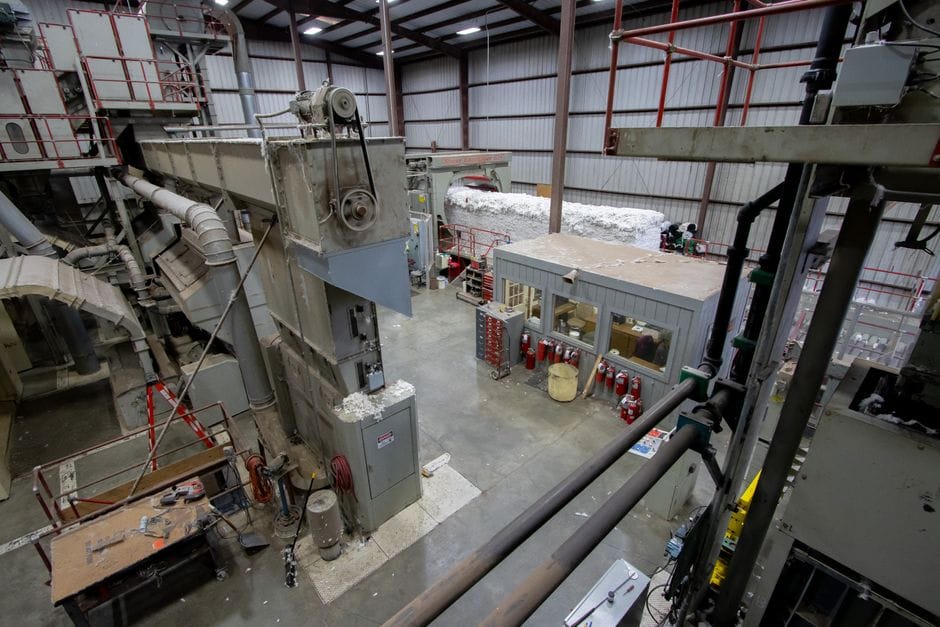
Featured image: Photo by Mark Stebnicki on Pexels
Members Discussion