
Culture & Community
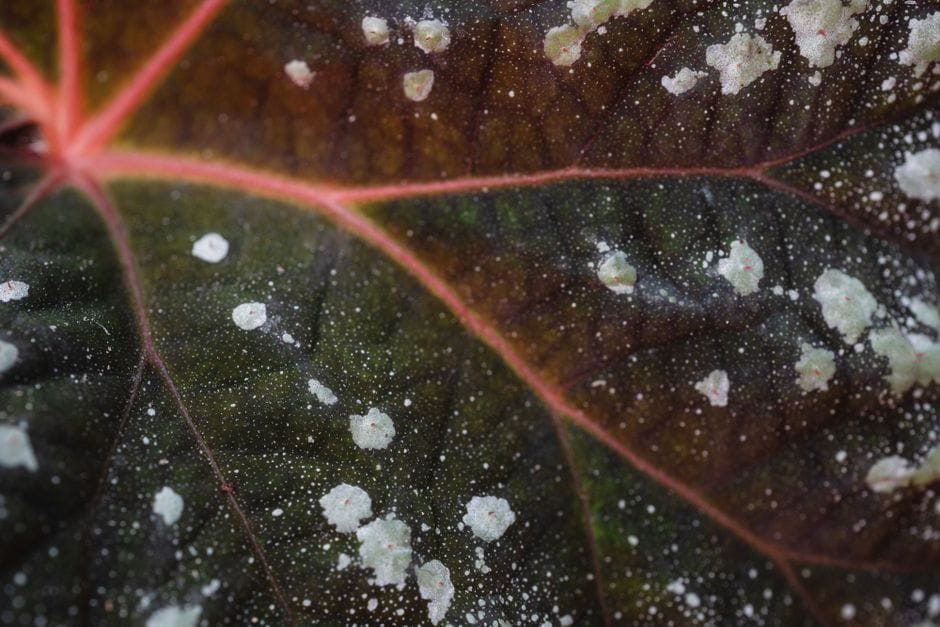
It starts as a faint dusting, easy to dismiss. A pale patch on the upper surface of a leaf, almost like someone has breathed on glass. Within days, if conditions hold, that smudge becomes a white powder spreading across multiple plants. Powdery mildew — oidium in Spanish-language growing literature — is one of the most common fungal problems cannabis cultivators face, indoors and out. It is also one of the most misread.
Many growers are familiar with Botrytis cinerea, the grey mould that devastates flowering buds, particularly in humid Mediterranean autumns. But powdery mildew operates differently, appears earlier, and demands a different response. Understanding the distinction matters — and so does learning to spot it before it takes hold.
Mildew or Mould? Starting With the Right Diagnosis
The first question to ask is where the discolouration appears. Powdery mildew grows on the upper surface of leaves, presenting as a white or greyish powder. Downy mildew — a related but distinct problem — tends to appear on the underside of the leaf. This simple visual check determines which threat you are dealing with and which treatment applies. When reviewing plants, make a habit of checking both surfaces. The underside is where early downy mildew hides for days before it becomes obvious.
Both are fungal pathogens that spread via airborne spores. Once a spore lands on a leaf and finds suitable moisture, it germinates and begins extending filaments into the plant's vascular system, drawing nutrients from the sap. The visible powder is the fungal body on the leaf surface; the real damage is happening underneath it, and progressively weakens the plant's overall health.
Why the Mediterranean Climate Creates a Complicated Picture
Temperature and humidity sit at the centre of every mildew outbreak. According to horticultural guides on the subject, powdery mildew can develop across a temperature range of roughly 17°C to 27°C, and becomes dangerous when relative humidity climbs between 75% and 100%. What makes this tricky in practice — particularly in outdoor growing in Malta and across the central Mediterranean — is the diurnal swing: warm, dry afternoons followed by cooler nights that leave morning dew on leaves.
That dew is the window of vulnerability. Spores need moisture to germinate, but the fungus actually develops better in drier conditions that follow. A morning of surface moisture on leaves, warmed quickly by sun into a dry afternoon, is close to ideal for powdery mildew. Growers who check their plants only in the midday heat may miss the early morning conditions where infection takes hold.
Plants already under persistent stress — from overfeeding, poor drainage, or erratic watering — are significantly more susceptible. One specific risk worth noting: excess nitrogen in the feeding regime can push plants toward rapid, tender foliar growth that powdery mildew finds particularly hospitable. Avoid heavy nitrogen loading during late vegetative and early flowering stages.
Climate Control Is the First Line of Defence
Whether growing indoors or outdoors, the single most effective preventive measure is consistent airflow. Stagnant air around the canopy is where mildew establishes itself. In outdoor spaces where natural circulation is poor — enclosed terraces, dense gardens, sheltered balconies — a simple oscillating fan running through the cooler hours can meaningfully change the microclimate around the plants.
Indoor growers need to go further. A functioning ventilation system should not shut down completely when lights go off. The dark period, when temperatures drop and humidity can spike, is precisely when mildew conditions peak. Keeping relative humidity below 75% consistently — not just during the light cycle — is the target. Large temperature swings between light-on and light-off periods compound the problem, so stable environmental management matters as much as the numbers themselves.
Horsetail Spray: A Biological Option Worth Knowing
For growers preferring biological rather than chemical intervention, a preparation made from horsetail (Equisetum arvense) has a long track record in organic cultivation as both a preventive and a mild treatment for fungal infections including powdery mildew.
The preparation is straightforward to make: roughly 500 grams of fresh horsetail plant material, or 250 grams dried, prepared as a concentrate. It stores for up to six months in a cool, dark place below 30°C. For foliar application, the concentrate is diluted — approximately 100ml per litre of water. As a weekly preventive spray when risk conditions are present, this dilution is applied across the whole plant. If active infection is already visible, both the dose and frequency should be doubled.
One point that horticultural sources emphasise and that growers sometimes underestimate: biological treatments like horsetail spray need to be in direct physical contact with the fungal body to be effective. Incomplete coverage — missing the undersides of leaves, skipping lower branches — can be counterproductive, leaving untreated zones where the fungus continues to spread while the grower believes they have addressed it. Cover the whole plant, thoroughly, every time.
Chemical fungicides exist and work faster, but they come with resistance risks and, in flowering plants intended for consumption, application timing and residue concerns that most responsible growers want to avoid. Prevention through climate control — supported by biological sprays during higher-risk periods — is the approach most consistent with a harm-reduction mindset applied to cultivation itself.
Powdery mildew is not inevitable. It is a signal: that humidity has been too high, airflow too poor, or stress too persistent. Treat the signal, not just the symptom, and the white dust stays off your leaves.
For guidance on cannabis cultivation regulations in Malta, including what home growers may and may not do under Chapter 628 of the Laws of Malta, see our ARUC Compliance Handbook.
Sources:
Revista THC — Oidio, el hongo blanco que ataca las hojas: cómo prevenirlo y combatirlo
https://revistathc.com/oidio-el-hongo-blanco-que-ataca-las-hojas-como-prevenirlo-y-combatirlo/
Featured image: Photo by Marina Leonova on Pexels
Members Discussion