
Culture & Community
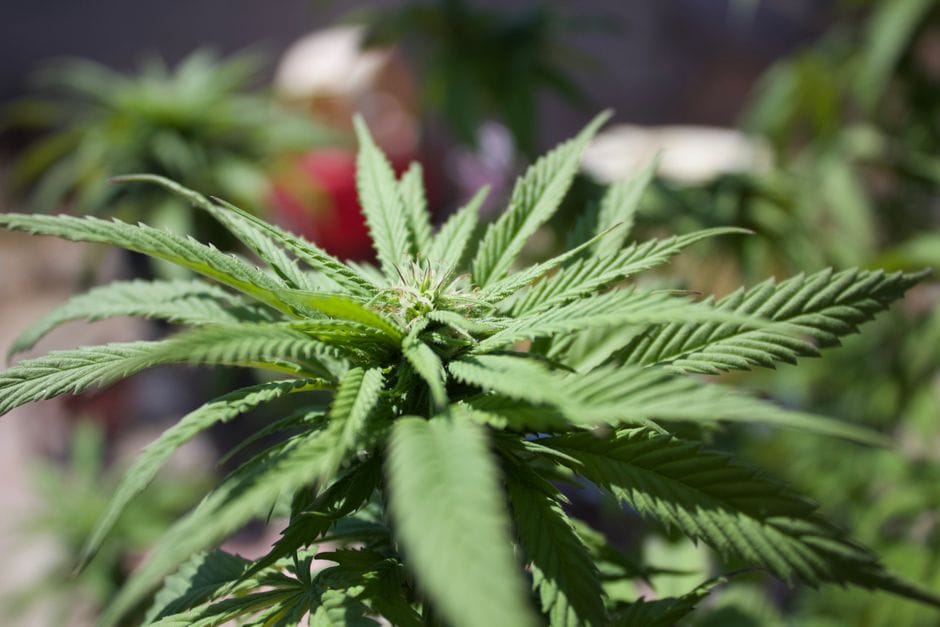
Timing the outdoor grow is one of those topics that sounds simple until it isn't. Get it right and you have three months of vigorous vegetative growth before the plant switches into flowering. Get it wrong — by a few weeks in either direction — and you are either harvesting in the worst heat or watching small, rushed plants go straight to bud before they have had a chance to develop any real structure.
Why the Solstice Is the Real Clock
Cannabis is a photoperiod-sensitive plant. Most outdoor varieties will remain in their vegetative phase — producing leaves, stems, and root mass — as long as daylight hours are increasing or stable. Once light hours begin to shorten after the summer solstice, the plant reads that signal and starts producing flowers. It has no calendar, only light.
In the Southern Hemisphere, that solstice falls in late December. A grower who plants in September, at the start of the Argentine spring, gets roughly three months of vegetative growth before the flip to flowering. A grower who plants in November gets perhaps six weeks. Both harvests can produce quality cannabis, but the September plant will typically be significantly larger — and, all else being equal, more productive.
This dynamic is universal. Mediterranean growers working in Malta, southern Italy, or coastal Spain operate on the same photoperiod logic, just offset by six months. Here, the relevant spring window opens in March and April. The summer solstice falls in late June, and flowering begins shortly after. A plant put in the ground in late March has time to become a substantial specimen before that trigger arrives. One planted in late May will be a more compact, discrete grow — smaller, but not inferior in potency or quality, provided it gets at least four to six weeks of healthy vegetative development.
Light Is Not Just About Hours
One detail that Argentine growers emphasise — and that applies equally around the Mediterranean — is the difference between total daylight and direct sunlight. A plant sitting in a courtyard that gets twelve hours of ambient light but only three hours of direct sun will underperform compared to one with six or more hours of unobstructed sun exposure. Before choosing a spot, it is worth observing it at different times of day across at least a few days, not just estimating from memory.
There is also the problem of light pollution at night. Cannabis requires a period of genuine darkness to develop properly. Streetlights, a neighbour's patio lamp, or even a lit window pointed at the canopy can disrupt the plant's hormonal rhythm and delay or distort flowering. Growers working in pots have a practical workaround: move the containers to a darker spot each evening. It is labour-intensive, but it works.
Building the Right Foundation
Timing the planting date matters, but so does what the plant goes into. Whether growing in containers or directly in garden soil, the substrate — the growing medium — needs preparation before the seedling arrives.
A solid basic mix for container growing typically combines around 40 percent dark earth or mature compost (or a blend of both), 25 percent peat for water and nutrient retention, 15 percent worm castings for slow-release organic nutrition and pH buffering, and roughly 10 percent each of vermiculite and perlite to improve aeration and moisture management. The proportions are not rigid rules, but they represent a starting point that experienced outdoor growers across very different climates tend to converge on.
For those growing directly in the ground — in a garden bed or a dedicated patch — the process differs slightly. Soil amendments like guano, fish meal, or other organic inputs need to be worked in weeks before planting, not at the last moment, to give the microbial community in the soil time to process and integrate them. Cover crops — grasses, legumes, or brassicas planted alongside or before the cannabis — can further improve soil health, suppress pests, and reduce water stress.
Heat, Humidity, and the Risk Window
Outdoor growers in warm climates who plant early — in September in Argentina, or in March here — need to plan for one specific challenge: the flowering phase will coincide with the hottest, most humid weeks of the year. In direct sun, container soil can reach 45°C, which is lethal to root systems. Mulching — placing a layer of organic matter over the soil surface — is the most effective basic defence against this. It insulates roots, retains moisture, and reduces the temperature spike that comes with sustained direct sun.
High heat combined with high humidity also creates ideal conditions for fungal pathogens, particularly botrytis (grey mould), which can devastate a flowering canopy in days. Growers who start early accept this tradeoff consciously: more time to grow, more time to manage risk. Those who start later sacrifice size for a shorter, cooler flowering window.
Choosing Your Season Intentionally
The useful insight here is not that there is one right time to plant outdoors. It is that the choice of timing is also a choice about what kind of grow you want: large and ambitious, or compact and manageable. Both are legitimate. The growers who struggle most are the ones who plant early without planning for summer heat, or plant late while still expecting a full-season harvest.
For anyone thinking about an outdoor season around the Mediterranean this year, the planning window is already open. The seeds do not know what month it is. But you do — and that is the advantage worth using.
Sources:
Revista THC — https://revistathc.com/cuando-plantar-cannabis-en-exterior-en-argentina/
Featured image: Photo by Maria Zee on Pexels
Members Discussion