
Culture & Community
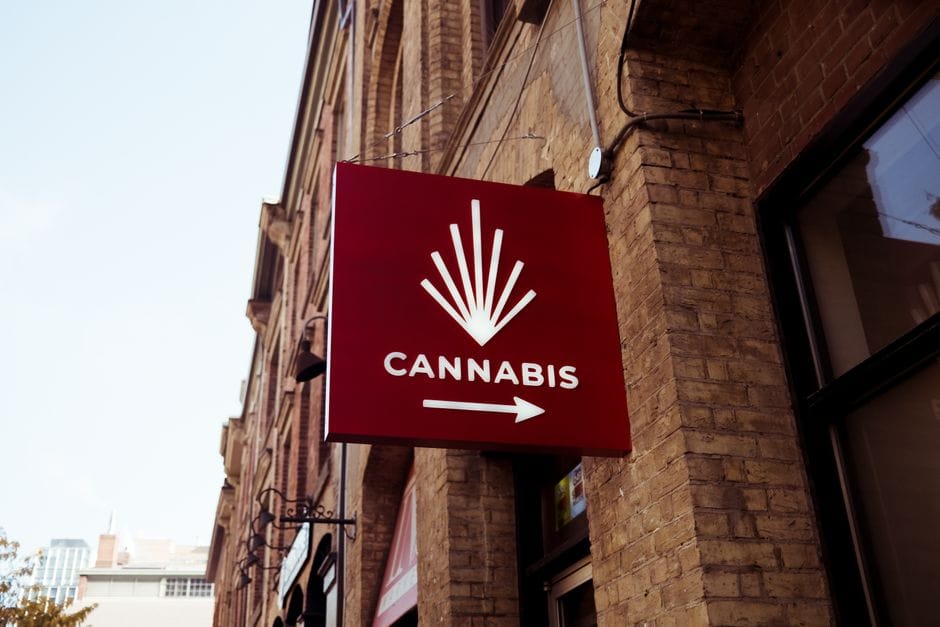
The products were back on the shelves before anyone had time to write a proper incident report. In a case that drew attention across northern Italy's cannabis light sector, a public prosecutor in Veneto declined to validate a police seizure of low-THC cannabis goods — ordering the merchandise returned to the retailer within days of its confiscation.
It is, on one level, a routine legal correction. On another, it is the latest episode in an Italian story that has been running for nearly a decade without resolution: what, exactly, is the legal status of cannabis light?
What Is Cannabis Light — and Why Does It Keep Ending Up in Court?
Cannabis light — known in Italian regulatory shorthand as canapa light — refers to hemp-derived cannabis products containing THC (tetrahydrocannabinol, the compound associated with psychoactive effects) below the 0.5% threshold tolerated under Italy's 2016 hemp cultivation law, Law 242. The products are sold openly in hundreds of shops across Italy, marketed primarily for their CBD (cannabidiol) content and sold as collector's items, aromatics, or infusions.
The legal ambiguity arises because Italian criminal law has never been cleanly amended to account for these products. The result is a patchwork: some prosecutors pursue seizures, some courts uphold them, others — as in this Veneto case — do not. Retailers operate in a space where the law on paper and the law in practice can differ by postcode.
The Veneto prosecutor's decision to return the confiscated stock is consistent with a broader trend in Italian jurisprudence. Italy's Court of Cassation ruled in 2019 and again in subsequent sessions that low-THC cannabis products derived from legally cultivated hemp do not automatically constitute a criminal offence — though the rulings have never produced the legislative clarity that would settle the matter once and for all.
A Familiar Pattern: Seizure, Challenge, Return
What makes this pattern notable is not any single case but its repetition. Italian cannabis light retailers have described a cycle — seizure, legal challenge, prosecutorial withdrawal or court reversal, return of stock — that can take weeks or months and causes real commercial damage even when the retailer ultimately prevails. Stock deteriorates. Customers go elsewhere. Staff face uncertainty. Winning in court, in this context, is not the same as winning.
The Veneto case fits this cycle precisely. The prosecutor's non-validation of the seizure means the original police action was found legally insufficient to proceed — a conclusion that reflects growing judicial reluctance to treat hemp-compliant products as contraband, but does nothing to prevent a similar seizure from happening to the same shop next month under a different jurisdictional interpretation.
The Mediterranean Contrast: Malta's Regulated Alternative
From a Mediterranean policy perspective, Italy's cannabis light impasse illustrates exactly the kind of legal limbo that Malta's 2021 cannabis reform was designed to avoid — at least for adult-use cannabis within a domestic framework. Under Chapter 628 of the Laws of Malta, adult consumers can acquire cannabis through licensed Cannabis Harm Reduction Associations (CHRAs) — non-profit member clubs regulated by ARUC (Authority on the Responsible Use of Cannabis), Malta's dedicated cannabis regulatory body. The framework is imperfect and still maturing, but it creates a defined legal space rather than a contested grey one. Consumers and operators know, broadly, where they stand. Our full Malta cannabis policy timeline traces how the island arrived at that framework after years of incremental reform.
Italy has no equivalent domestic adult-use framework. Its cannabis light sector exists in the gap between hemp agriculture law and criminal narcotics law — a gap that individual prosecutors interpret differently, and that the Italian parliament has repeatedly failed to close despite multiple legislative attempts.
What the Veneto Case Signals
Prosecutors declining to proceed with cannabis light seizures is not new. But the frequency and geographic spread of such reversals — from Veneto in the northeast to regions further south — suggests that enforcement appetite for these cases is softening even where the law has not changed. Courts and prosecutors are, in effect, doing the work that legislators have avoided.
That is an unstable equilibrium. A future government, or a single determined regional prosecutor, could shift the climate overnight. Italy's cannabis light operators are not operating under rule of law so much as rule of current prosecutorial mood — and moods change.
For European policy watchers, the Veneto case is a small data point in a larger argument: regulatory clarity, however imperfect, tends to produce better outcomes than prolonged legal ambiguity. Retailers can plan. Consumers know their rights. Enforcement resources go elsewhere. The products end up back on the shelves anyway — the only question is how much disruption happens in between.
The Veneto prosecutor returned the stock. Somewhere in Italy this week, another seizure is probably being prepared.
Sources:
Dolce Vita Magazine
Featured image: Photo by Wendy Wei on Pexels
Members Discussion