
Industry & Intelligence
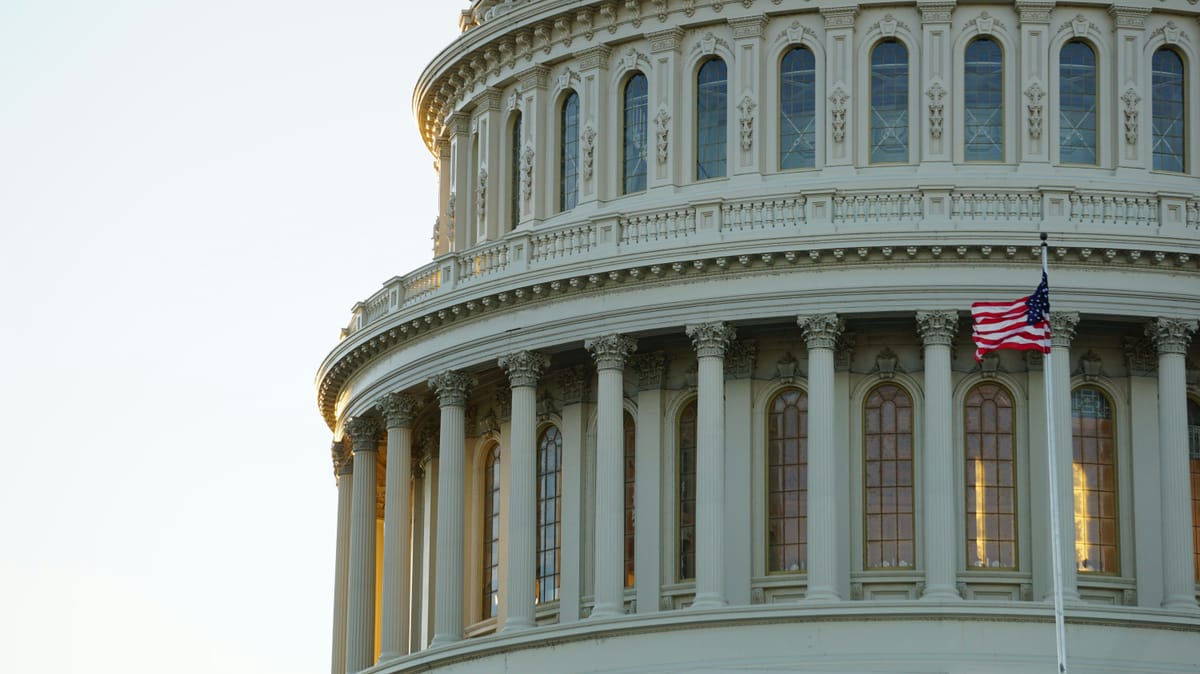
A Reprieve, Not a Resolution
The US hemp industry entered August with a deadline looming over it: a federal ban that threatened to pull a wide range of hemp-derived products from shelves as early as 12 November. That deadline has now shifted — though only modestly — after Senate appropriations leaders moved to embed a short extension into a must-pass federal spending bill.
Under the Continuing Appropriations and Extensions Act, 2027, released on 2 August by Senate Appropriations Committee Chair Susan Collins and Vice Chair Patty Murray, most hemp-derived products have been given a stay of execution until 11 December. The legislation keeps federal agencies funded past the end of the fiscal year on 30 September, and tucked within it is a provision — Section 781 Extension — that narrows the scope of the November ban.
Critically, the reprieve is not universal. Naturally derived hemp THC products — including hemp beverages and full-spectrum CBD lines — will now face scrutiny from December rather than November. Synthetic cannabinoids, defined in the bill as compounds "not capable of being naturally produced by a Cannabis sativa L. plant," including certain delta-8 THC formulations, remain subject to the original 12 November recriminalisation date.
A Few Weeks to Secure a Permanent Fix
The extension is narrow enough that industry advocates are already treating it less as a victory than as a window of opportunity. The goal, plainly stated by trade bodies and legal counsel, is to use the extra weeks to secure permanent legislative protections before the December funding deadline arrives.
Several legislative vehicles are in play. The Lawful Hemp Protection Act, sponsored by Representatives Andy Barr and Angie Craig, would repeal the ban outright and replace it with a regulatory framework. A companion bill in the Senate is expected from Senators Tim Sheehy and Amy Klobuchar, while Representative James Comer has been circulating a separate delay-and-regulate proposal.
"As Mark Twain might have said, the reports of hemp's death have been greatly exaggerated," said Jonathan Miller, general counsel of the US Hemp Roundtable, describing the resolution as "a landmark victory for the hemp industry, our biggest win since the 2018 Farm Bill" — while cautioning that "our work is not done."
The White House has also weighed in. President Trump has publicly urged Congress to preserve access to full-spectrum CBD while restricting products he has characterised as health risks, and his Office of Management and Budget has reportedly pressed House Speaker Mike Johnson on the matter. In April, the administration launched a Medicare initiative offering eligible patients up to $500 annually toward hemp-derived products.
Hemp Beverages: The Fastest-Growing Sector at Stake
Among the sectors most directly affected is the hemp beverage market, which has emerged as one of the more dynamic growth categories in recent years — occupying shelf space in mainstream retail outlets and positioning itself as an alcohol alternative. The Hemp Beverage Alliance, representing 375 companies across the US and Canada, was among the first to respond to the Senate move.
"The Hemp Beverage Alliance is thrilled the Senate is standing up for responsible hemp beverage suppliers and their supply chain partners," said founder and president Christopher Lackner, urging swift passage through both chambers.
Why European Operators Are Watching
For European industry observers, the US hemp saga carries relevance beyond its domestic politics. The regulatory uncertainty battering American producers has already disrupted supply chains that European manufacturers and importers have historically relied upon — particularly for CBD isolate and broad-spectrum hemp extracts used in food supplements, cosmetics, and wellness products.
The EU's own hemp regulatory landscape remains fragmented. The Novel Food framework has created a patchwork of national interpretations, and the European Food Safety Authority's ongoing assessments of CBD products have yet to produce the clarity that commercial operators require. While the US debacle is partly a product of its own legislative peculiarities — specifically the gaps and ambiguities introduced by the 2018 Farm Bill — the underlying tension between a fast-moving hemp consumer market and slow-moving regulatory institutions is recognisable on both sides of the Atlantic.
In Malta, where the Authority on the Responsible Use of Cannabis oversees the non-medical cannabis framework, hemp-derived CBD products sold commercially fall under separate food and medicines regulatory channels. The current US disruption does not directly affect Maltese consumers, but supply-side volatility in global hemp markets can have downstream effects on product availability and pricing across Europe — a factor that licensed operators and importers across the continent will be monitoring as December approaches.
The Bigger Picture
The episode is a useful reminder that even in the world's largest cannabis-adjacent market, regulatory stability remains elusive. The US hemp industry, valued at several billion dollars and employing hundreds of thousands of workers, is navigating existential uncertainty on a month-to-month basis. Whether Congress acts before December 11 to produce a durable framework — or whether the industry finds itself repeating this cycle into 2027 — will determine not just the fate of American hemp, but the signals sent to regulators and investors in markets still building their own frameworks.
For now, the shelf life of US hemp has been extended. Whether the product on that shelf includes a workable long-term regulatory model remains to be seen.
Sources:
Business of Cannabis — https://businessofcannabis.com/us-hemp-industry-wins-a-stay-of-execution-as-senate-delays-ban-until-december/
Featured image: Photo by Ian Hutchinson
Members Discussion