
Culture & Community
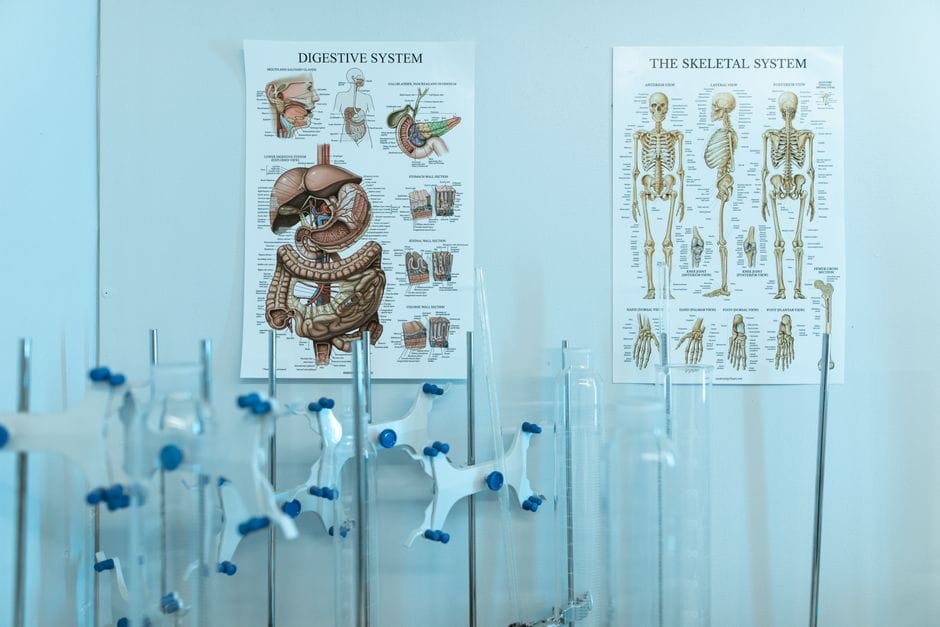
Ask most cannabis users what the plant does to their bodies and you will get two answers almost immediately: it makes you laugh, and it makes you hungry. That second effect — the so-called munchies — is perhaps the most universally recognised consequence of THC consumption. But appetite stimulation is only the surface of a far more intricate relationship between cannabis and the gastrointestinal system, one that researchers have been quietly unpacking for decades.
An Ancient Gut Instinct
Long before clinical trials and receptor maps, healers in different traditions were reaching for cannabis when the stomach turned against its owner. Chinese pharmacological texts dating to 1578 describe the plant being used to treat vomiting, diarrhoea, parasitic infections, and dysentery. Ayurvedic medicine, similarly, recommended cannabis preparations to support digestion and stimulate appetite. These were not isolated folk remedies — they reflected an empirical observation that cannabis did something useful for the gut, even if the mechanism was entirely unknown.
We now have a much clearer picture of what that mechanism looks like.
A System Built for It
The gastrointestinal tract is one of the most densely populated sites of endocannabinoid system (ECS) receptors in the entire body. This is not coincidental: the ECS is intimately involved in two of the gut's primary functions — nutrient absorption and immune response — and both rely on the same receptor infrastructure that responds to cannabis compounds.
CB1 receptors are found throughout the stomach lining, the intestinal walls, the colon, and critically, within the enteric nervous system — the network of neurons that governs muscular movement and secretion along the digestive tract, often described informally as the body's "second brain." CB2 receptors, meanwhile, are concentrated in the immune cells of the stomach and intestines, suggesting a role in regulating gut-level inflammation.
When phytocannabinoids like THC or CBD enter the body, they interact with this existing receptor architecture. The results, depending on dose and individual physiology, can range from subtle shifts in gut motility to meaningful reductions in inflammation.
Reflux, Acid, and Motility
One of the more counterintuitive areas of research involves gastroesophageal reflux. A 2009 study conducted with both healthy human volunteers and canine subjects found that daily THC administration of up to 20 mg reduced the relaxation of the lower oesophageal sphincter — the valve that, when it fails to hold properly, allows stomach acid to travel upward. Fewer relaxations meant fewer reflux episodes.
On gastric acid secretion more broadly, the picture is suggestive if not yet definitive. Studies spanning from 1978 through to the early 2000s found that cannabinoids, acting as CB receptor agonists, can modulate the mechanisms governing acid production and may offer some protection to the stomach lining. Most of this research was conducted in animal models, and the translation to human clinical use remains incomplete.
Intestinal motility — the rhythmic muscular contractions that move food through the digestive system — is another area where the ECS plays a significant role. The leading hypothesis is that phytocannabinoids acting on CB1 receptors reduce the release of acetylcholine in the enteric nervous system, slowing gut movement. For people with hypermotility conditions characterised by cramping and urgency, this could translate to meaningful relief.
Inflammatory Bowel Disease: The Strongest Case
Perhaps the most clinically relevant body of evidence concerns inflammatory bowel diseases (IBD) — a category that includes Crohn's disease, ulcerative colitis, and irritable bowel syndrome. A 2011 study examining patients with Crohn's disease found that 21 of 30 participants reported significant improvement in their symptoms following cannabis use. Notably, of the 26 patients who had been receiving steroid therapy at the start of the study, only four remained on steroids by its conclusion — a secondary finding the researchers had not anticipated.
"Of the 26 subjects who had been receiving steroid therapy at the outset, only four continued receiving these substances by the end of the study" — findings from a 2011 Crohn's disease study
A separate survey from 2013, covering 292 IBD patients, found that 12.3 percent were current cannabis users and 39 percent had used it at some point — figures that suggest patients are already drawing their own conclusions about its utility, with or without formal medical guidance.
Early-Stage Research on Tumour Growth
At the more speculative end of the spectrum, research conducted by Israeli pharmaceutical company Cannabics Pharmaceuticals investigated the minor cannabinoids CBC and CBG as potential inhibitors of tumour growth in gastrointestinal cancers. The researchers proposed that these cannabinoids, due to their chemical structure, may be able to penetrate cancer cell membranes and induce cell death. The same company developed a synthetic cannabinoid compound — designated RCC 33 — which extended survival by up to 35 percent in mice injected with colorectal cancer cells. The compound has not yet entered human clinical trials, and considerable caution is warranted before drawing broader conclusions.
What This Means for Patients and Practitioners
The evidence across these areas varies considerably in quality and scale. Some findings — particularly around IBD symptom management and motility — are supported by reasonably robust human data. Others remain preliminary or animal-model-only. What the research collectively establishes, however, is that cannabis is not simply acting on appetite centres in the brain when it affects the digestive system. It is engaging a complex, purpose-built receptor network distributed throughout the gut itself.
For healthcare professionals and informed patients, that distinction matters. It reframes cannabis not merely as a comfort measure for nausea or appetite loss, but as a substance with a genuine — and still incompletely mapped — pharmacological relationship with one of the body's most consequential systems.
The ancient physicians who reached for it when their patients' stomachs revolted were, it turns out, onto something real.
Sources:
Revista THC, "La panza en orden: cannabis y sistema digestivo" — https://revistathc.com/la-panza-en-orden-cannabis-y-sistema-digestivo/
Featured image: Photo by RDNE Stock project on Pexels
Members Discussion